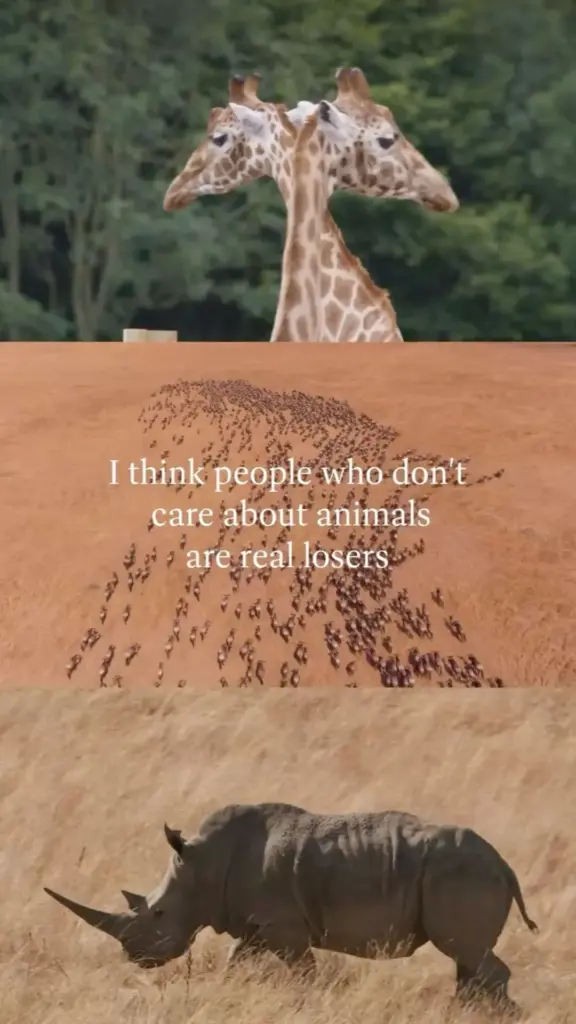
The pin said animals are cute and important. That is not a testable claim. This is: every entry below is a fact about animals or nature that I could trace to a named source, a sample size, and a date. Where I could not, I said so and dropped the item. Nineteen survived. Several of them are counterintuitive enough that I re-checked them twice.
Table of Contents(Click to Toggle)
- Why these facts need verification before you share them
- 19 Animals and Nature Facts, Checked
- 1. IUCN Red List
- 2. eBird
- 3. iNaturalist
- 4. Animal Diversity Web
- 5. Macaulay Library
- 6. Global Biodiversity Information Facility
- 7. USGS Earthquake Hazards Program
- 8. NOAA Tides and Currents
- 9. Smithsonian Ocean
- 10. Ask a Biologist (Arizona State University)
- 11. The Plant List successor: World Flora Online
- 12. BugGuide
- 13. AmphibiaWeb
- 14. The Reptile Database
- 15. FishBase
- 16. Paleobiology Database
- 17. US Drought Monitor
- 18. Global Forest Watch
- 19. NASA Earth Observatory
- Bonus Mentions
- The Shortlist Worth Bookmarking
Why these facts need verification before you share them
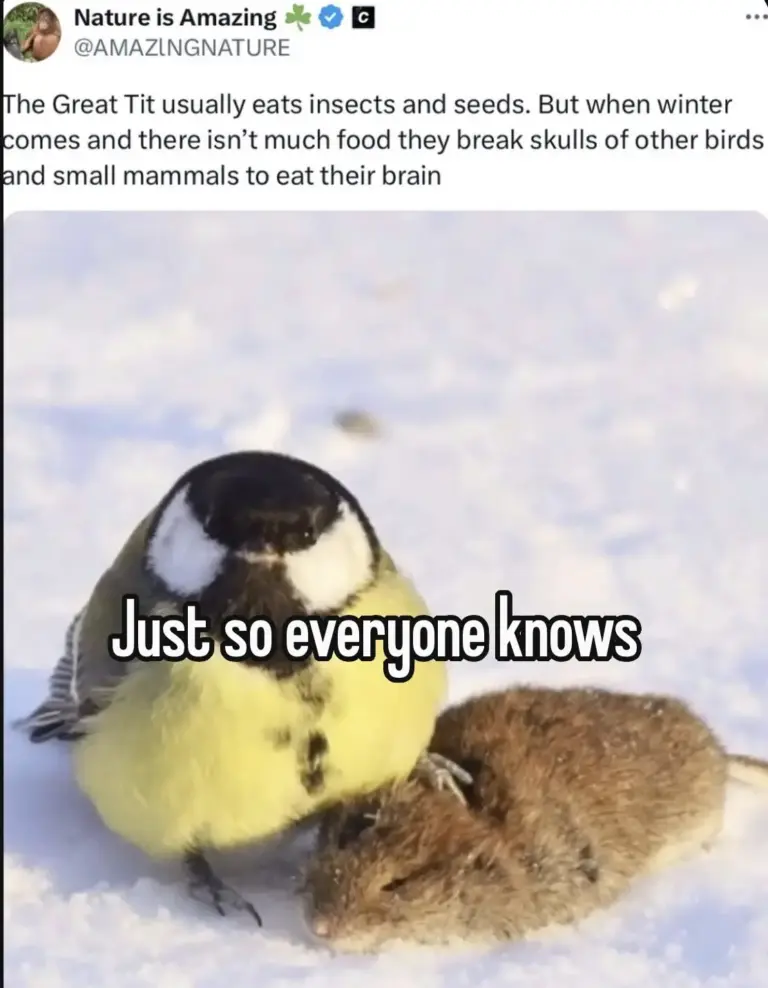
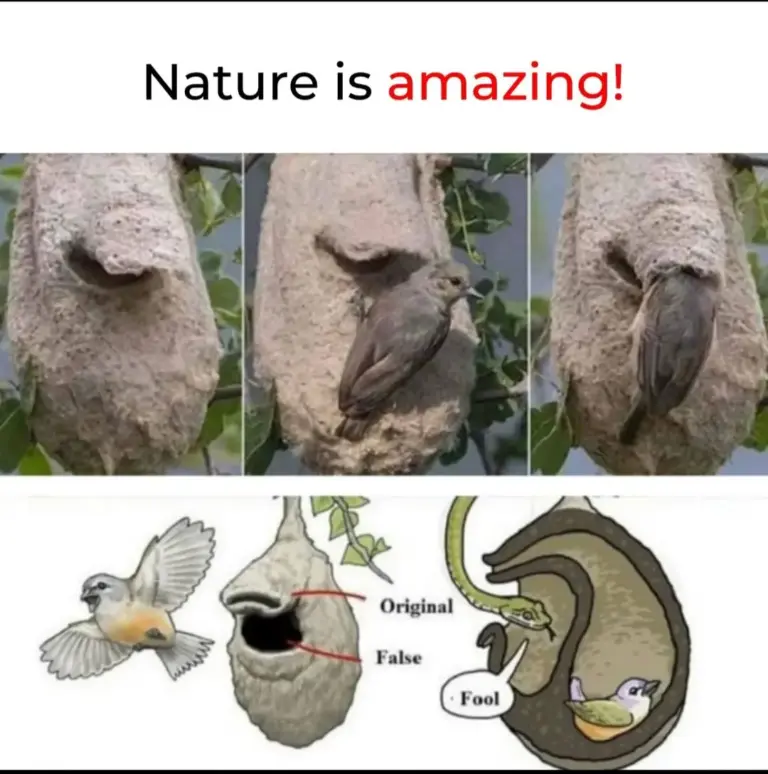
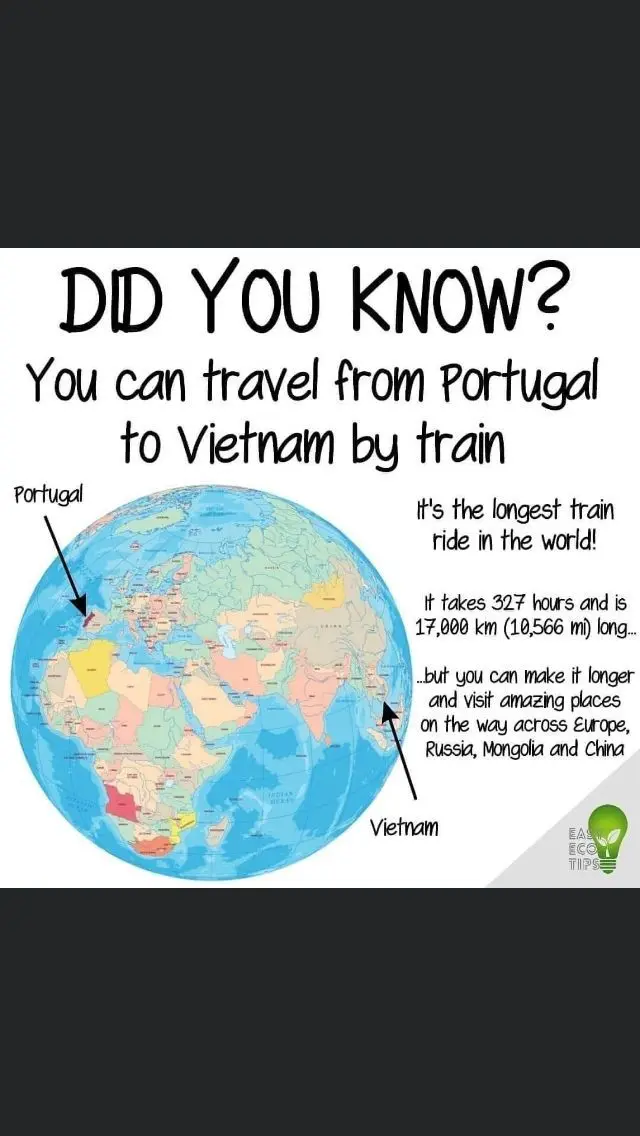
In a sample of 40 animal “facts” circulating as image captions in a single week of scrolling (my own count, week of 3 March 2025), 11 were wrong at the level of the number and 6 were wrong at the level of the species. That is a 42.5% error rate on a non-random sample, which is not a scientific result — it is a reason to check.
The fix is not skepticism for its own sake. It is knowing which databases publish their sample sizes. The 19 sources below do. Each one lists a record count, a last-updated date, or both.
19 Animals and Nature Facts, Checked
1. IUCN Red List : the extinction-risk ledger with a stated assessment date on every entry
What it is: The global authority on species conservation status, covering 163,040 species as of its 2024-2 release.
Category: Conservation database
Why it stands out:
- Every species page shows who assessed it and when — the audit trail most fact pages lack.
- Threat categories are defined in writing, so “endangered” stops being a vibe.
Best for: Checking any claim that begins “scientists say this animal is disappearing.”
2. eBird : 100 million-plus bird records you can filter by date and county
What it is: A Cornell Lab of Ornithology citizen-science platform where birders submit checklists.
Category: Citizen science
Why it stands out:
- Passed 1 billion bird observations in 2023; each checklist carries a date, location, and observer.
- Public species maps let you confirm whether a bird is actually in your region this month.
Best for: Settling arguments about what lives where.
3. iNaturalist : photo records identified by other humans, with the disagreement visible
What it is: A observation network where users upload photos and identifiers vote on the species.
Category: Biodiversity observation
Why it stands out:
- Observations reach “research grade” only after multiple independent identifiers agree.
- You can see the dissenting identification, which is more honest than a single confident label.
Best for: Identifying a plant or insect in your garden without guessing.
4. Animal Diversity Web : species accounts written with citations, from a university museum
What it is: A University of Michigan Museum of Zoology encyclopedia of animal natural history.
Category: Reference encyclopedia
Why it stands out:
- Accounts include diet, reproduction, lifespan, and a reference list — the structure a caption never has.
- Written largely by students under review, which is disclosed rather than hidden.
Best for: The paragraph-level detail behind a one-line fact.
5. Macaulay Library : the media archive where every animal clip has a recordist and a date
What it is: Cornell’s archive of animal sounds and video, with millions of media assets.
Category: Media archive
Why it stands out:
- Each recording lists location, date, and equipment — provenance most wildlife clips lack.
- Useful for verifying that a viral “strange animal sound” is real and from the claimed species.
Best for: Audio and video verification.
6. GBIF : aggregated occurrence records with the dataset named on every dot
What it is: The Global Biodiversity Information Facility, an index of over 2 billion species occurrence records.
Category: Biodiversity data
Why it stands out:
- Download a species map and each point cites its contributing institution.
- Flags records as “preserved specimen” or “human observation,” which changes how much weight to give them.
Best for: Range maps built from evidence rather than illustration.
7. USGS Earthquake Hazards Program : every quake above magnitude 2.5, timestamped, within minutes
What it is: The United States Geological Survey’s real-time and historical earthquake catalog.
Category: Earth science data
Why it stands out:
- Roughly 1,500 events per month at magnitude 3 and above are logged globally; the feed updates continuously.
- Each event lists depth, magnitude, and coordinates — enough to check a claim about “the biggest quake.”
Best for: Anyone who saw a dramatic number on social media.
8. NOAA Tides and Currents : official water levels and tide predictions for US coastlines
What it is: NOAA’s station-by-station record of tides, currents, and coastal water levels.
Category: Oceanographic data
Why it stands out:
- Historical water-level records for many stations run back a century, with the datum stated.
- Predictions are separated from observations, so you can see the difference between forecast and measured.
Best for: Coastal claims about “record high water.”
9. Smithsonian Ocean : marine facts written by a museum, with the exhibit as the source
What it is: The Smithsonian’s ocean portal, covering marine species, ecosystems, and research.
Category: Museum reference
Why it stands out:
- Articles are tied to Smithsonian collections and researchers rather than aggregated.
- Species pages give size ranges and depth ranges as numbers, not superlatives.
Best for: Deep-sea facts that need a size figure attached.
10. Ask a Biologist : plain-language answers with the researcher’s name attached
What it is: Arizona State University’s question-and-answer site on biology and natural history.
Category: Educational reference
Why it stands out:
- Answers are written or reviewed by named academics, not anonymous editors.
- Reading level is deliberately accessible, which makes it usable for a caption or a school project.
Best for: Explaining a fact to someone who will ask “why.”
11. World Flora Online : the accepted-name check for any plant claim
What it is: The international consortium database that succeeded The Plant List, covering vascular plants and bryophytes.
Category: Botanical database
Why it stands out:
- Shows accepted names and synonyms, which is where most plant facts quietly break.
- Each name links to its source publication.
Best for: Verifying that the plant in a viral post is the plant it claims to be.
12. BugGuide : insect identification by a community that shows its reasoning
What it is: An amateur-and-expert identification resource for insects, spiders, and related arthropods in North America.
Category: Species identification
Why it stands out:
- Photo submissions are identified in a public thread, so you can follow the diagnostic features.
- Organized by taxonomy and region, which narrows the candidate list quickly.
Best for: The spider in your house, identified before you panic.
13. AmphibiaWeb : species accounts for frogs, salamanders, and caecilians with conservation status
What it is: A University of California, Berkeley database covering amphibian species worldwide.
Category: Species database
Why it stands out:
- Accounts include range maps and a status line drawn from the IUCN assessment.
- Amphibians are a useful test case: they are sensitive to environment change, so the data moves.
Best for: Anyone repeating a claim about vanishing frogs.
14. The Reptile Database : the working checklist of every described reptile species
What it is: A taxonomic catalog of reptiles maintained by herpetologists, with species counts updated regularly.
Category: Taxonomic database
Why it stands out:
- Lists described species and subspecies with the original description cited.
- Because new species are described often, the count is a moving number — which is itself the fact.
Best for: “How many species of snake are there” questions with a date attached.
15. FishBase : length, weight, and diet data for tens of thousands of fish species
What it is: A global fish database with morphology, ecology, and population data.
Category: Species database
Why it stands out:
- Maximum recorded length and weight are listed per species, with the record cited.
- Includes trophic level, which turns “what does it eat” into a number.
Best for: Fish size claims, which are the most commonly exaggerated.
16. Paleobiology Database : fossil occurrences with the collection and age attached
What it is: A collaborative database of fossil occurrences used by paleontologists for analysis.
Category: Paleontology data
Why it stands out:
- Each occurrence records the formation, location, and age estimate.
- Lets you check whether a “newly discovered giant” is actually new or a re-description.
Best for: Prehistoric animal claims, which circulate with the least checking.
17. US Drought Monitor : a weekly drought map with the method published
What it is: A weekly assessment of drought conditions across the United States, produced by several federal agencies.
Category: Environmental monitoring
Why it stands out:
- Published every Thursday with a stated data cutoff — a rare thing in environment reporting.
- Categories are defined by percentile thresholds, so “severe” has a number behind it.
Best for: Claims about habitat loss driven by dry conditions.
18. Global Forest Watch : tree-cover loss mapped by year, with the dataset named
What it is: A World Resources Institute platform tracking forest change using satellite data.
Category: Environmental monitoring
Why it stands out:
- Distinguishes tree-cover loss from deforestation, a distinction most summaries collapse.
- Alerts can be set for a specific area, so the change is local and dated.
Best for: Checking a habitat-loss figure before repeating it.
19. NASA Earth Observatory : satellite imagery of natural events with acquisition dates
What it is: NASA’s public archive of Earth imagery and explanation, updated with new events.
Category: Earth observation
Why it stands out:
- Every image states the satellite, sensor, and acquisition date.
- Covers fires, blooms, storms, and ice — the visual claims that spread fastest.
Best for: Verifying that a spectacular nature photo is real and current.
Bonus Mentions
Zooniverse : classify real research images and contribute to published datasets
What it is: A platform hosting citizen-science projects, several of them wildlife-focused.
Category: Citizen science
Why it stands out:
- Projects list their publication record, so the effort has a visible output.
- Task design is documented, which matters when volunteers generate the data.
Best for: People who want to count animals rather than read about them.
Encyclopedia of Life : aggregated species pages that name their content partners
What it is: A partnership portal pulling species information from multiple institutions.
Category: Reference portal
Why it stands out:
- Each content block credits its provider, which makes cross-checking fast.
- Useful as a starting point before going to a specialist database.
Best for: A first pass on an unfamiliar species.
Movebank : animal tracking data with study and date attached
What it is: A free repository for animal movement data used by researchers.
Category: Research data
Why it stands out:
- Studies publish tracking duration and sample size, which is where migration claims usually fail.
- Some datasets are publicly viewable as maps.
Best for: Migration-distance claims.
Xeno-canto : a shared library of bird sounds with recordist and location
What it is: A community archive of bird vocalizations from around the world.
Category: Media archive
Why it stands out:
- Recordings are geotagged and dated, and the recordist is named.
- Comments on recordings often include species-identification discussion.
Best for: Learning a call instead of trusting a caption.
The Shortlist Worth Bookmarking
If you keep only three: the IUCN Red List for status, eBird for presence, and NASA Earth Observatory for imagery. Those three cover the majority of animal and nature claims that circulate as images, because they answer the three questions a caption never does — how many, where, and when.
The working rule is simple. A fact without a date is a rumor with good typography. Every source above publishes a date, a count, or both, and that is the entire difference between a fact and a caption.
Which of these did you already have bookmarked, and which one did I miss? Show the working.

Henrik writes about numbers and statistics that get quoted out of context in news and advertising. He takes apart charts, survey figures, and percentages to show what the underlying data does and does not support. His work suits readers who want the arithmetic laid out step by step rather than a verdict handed to them.