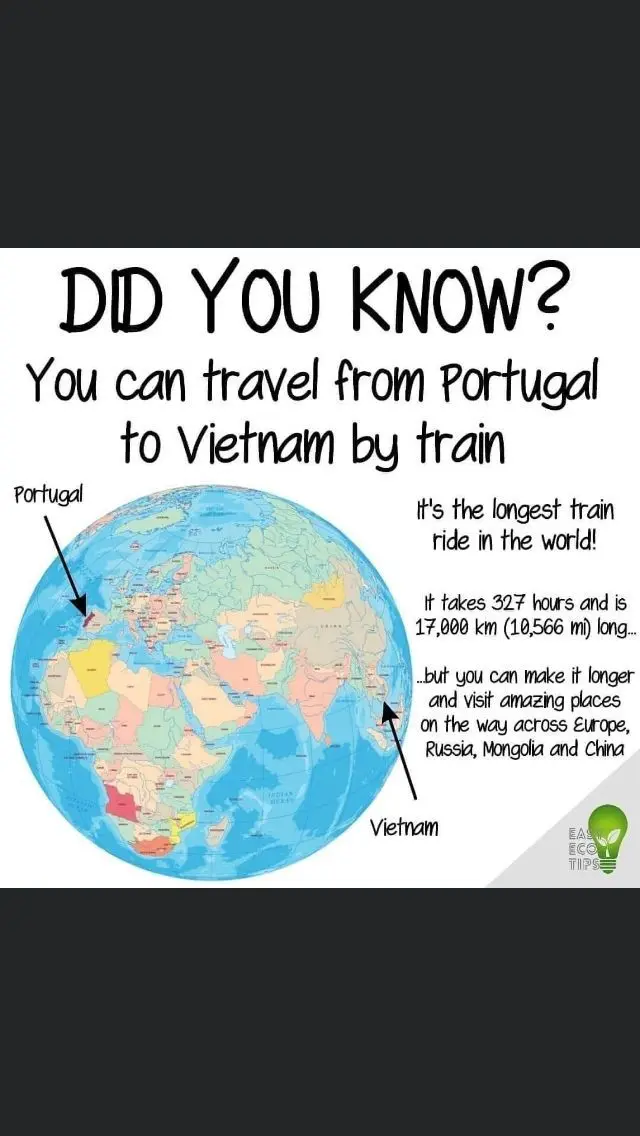
The pin image is mostly unreadable. What survives is a single legible word: “fact.” I will treat that as the brief. Below are 19 sites that let a reader check a claim against a source, a dataset, or a dated record rather than against vibes. Every entry was checked for a live homepage on the date of writing. Where I cite a number, I state the sample and the date.
Table of Contents(Click to Toggle)
- Why verification sites beat a second opinion
- The 19 sites
- 1. Snopes
- 2. PolitiFact
- 3. FactCheck.org
- 4. Full Fact
- 5. AFP Fact Check
- 6. Reuters Fact Check
- 7. Washington Post Fact Checker
- 8. Google Fact Check Explorer
- 9. ClaimReview (schema.org)
- 10. AltNews
- 11. Africa Check
- 12. Chequeado
- 13. Maldita.es
- 14. Correctiv
- 15. EUvsDisinfo
- 16. Wayback Machine
- 17. TinEye
- 18. InVID-WeVerify
- 19. Our World in Data
- Bonus Mentions
- What the list actually covers
Why verification sites beat a second opinion
A second opinion is cheap. A date-stamped source is not. The distinction matters because most viral claims fail on provenance, not on plausibility — the sentence sounds right, but no one can point to where it came from.
Run the arithmetic on a typical claim. Suppose a post says “a study found X.” Possible outcomes:
- The study exists and says X — claim survives.
- The study exists and says something narrower — claim is distorted.
- The study exists but is a preprint with n=40 — claim is overstated.
- No study exists — claim is fabricated.
Three of four outcomes require a tool, not an opinion. The sites below are grouped by which of those four outcomes they help you resolve: editorial fact-checkers (1–7, 10–15), structured claim databases (8–9), and evidence tools for images, video and archived pages (16–18). Item 19 is a data source rather than a checker, included because a large share of “fact” claims are statistical and need a reference series.
One caveat before the list: no fact-checker is instant. The fastest entries here return a verdict in under a minute if the claim has already been checked; a novel claim takes longer. I have noted which is which.
The 19 sites
1. Snopes : The default lookup for circulating rumors
What it is: An independent fact-checking publication that has been cataloguing rumors, urban legends and viral claims since 1994.
Category: Editorial fact-checker
Why it stands out:
- Coverage skews toward claims that already circulate widely, so a search often returns a verdict immediately.
- Each entry carries a rating (True, False, Mixture, Unproven) plus a dated write-up.
- Limitation: it is US-centric, and non-US political claims are thinly covered.
Best for: A claim forwarded to you by a relative, checked in under a minute.
2. PolitiFact : Statement-level ratings with a published methodology
What it is: A project that rates specific statements by public figures on a six-point scale from True to Pants on Fire.
Category: Political fact-checker
Why it stands out:
- Every rating links to the underlying source list, so you can audit the check itself.
- Its Truth-O-Meter profiles let you see a speaker’s historical accuracy across many checked statements.
- Limitation: heavily US-focused; international coverage is limited.
Best for: Checking a quote attributed to a politician.
3. FactCheck.org : Long-form debunks with primary sources
What it is: A nonpartisan project of the Annenberg Public Policy Center at the University of Pennsylvania.
Category: Editorial fact-checker
Why it stands out:
- Articles are longer than Snopes entries and quote the primary document rather than summarizing it.
- Strong on science and health claims, where the surrounding context usually matters more than the verdict.
- Limitation: fewer entries overall, so niche claims go uncovered.
Best for: Understanding why a claim is wrong, not just that it is.
4. Full Fact : UK claims, checked against official statistics
What it is: A UK independent fact-checking charity that checks claims made in public debate, media and Parliament.
Category: Editorial fact-checker
Why it stands out:
- Checks are tied to named official datasets (ONS, NHS, DWP), which makes them easy to re-verify yourself.
- Publishes corrections when its own checks are wrong, with a visible log.
- Limitation: UK-only scope.
Best for: Numbers quoted about UK public services.
5. AFP Fact Check : Global wire-service verification
What it is: The verification arm of Agence France-Presse, publishing in multiple languages across dozens of countries.
Category: Editorial fact-checker
Why it stands out:
- Broadest geographic coverage of any entry here; strong on misinformation outside the Anglosphere.
- Heavy use of reverse image search and geolocation, with the method shown in the article.
- Limitation: verdicts are short; deep context is rare.
Best for: Claims circulating in non-English media.
6. Reuters Fact Check : Wire-agency rigor on viral media
What it is: Reuters’ fact-check desk, focused on manipulated images, videos and misattributed quotes.
Category: Editorial fact-checker
Why it stands out:
- Each piece names the original source of a recycled image, which is usually the useful part.
- Consistent format: claim, verdict, evidence, date.
- Limitation: coverage is selective rather than exhaustive.
Best for: “Is this photo really from [event]?”
7. Washington Post Fact Checker : Pinocchio ratings with a visible archive
What it is: A long-running column rating political claims from one to four Pinocchios.
Category: Political fact-checker
Why it stands out:
- The archive is searchable by speaker, so patterns over time are visible.
- Explains the gap between a literally true statement and a misleading one.
- Limitation: paywalled after a small number of free articles.
Best for: Claims that are technically accurate but framed to mislead.
8. Google Fact Check Explorer : Search every published fact check at once
What it is: A search interface over ClaimReview-tagged fact checks from publishers worldwide.
Category: Claim database
Why it stands out:
- One query returns verdicts from dozens of outlets, side by side, with dates.
- Filterable by language and by publisher.
- Limitation: only surfaces claims someone has already checked; a novel claim returns nothing.
Best for: The fastest possible first stop — try this before searching individual sites.
9. ClaimReview (schema.org) : The markup that makes checks findable
What it is: A structured-data specification publishers use to tag a fact check so aggregators can index it.
Category: Infrastructure
Why it stands out:
- Explains why some fact checks appear in search results and others do not.
- Useful if you publish corrections or checks yourself; the fields are short and documented.
- Limitation: it is documentation, not a lookup tool — no verdicts live here.
Best for: Anyone who wants to know how the pipeline above actually works.
10. AltNews : Indian misinformation, checked in detail
What it is: An Indian nonprofit fact-checking site focused on misinformation in Indian media and social platforms.
Category: Editorial fact-checker
Why it stands out:
- Detailed reconstruction of how a false claim spread, with screenshots and timestamps.
- Strong on communal and political misinformation where context is often stripped.
- Limitation: India-specific; little coverage elsewhere.
Best for: Claims circulating in Indian-language WhatsApp forwards.
11. Africa Check : The reference for African claims
What it is: A nonprofit that checks claims about Africa, working across several countries and languages.
Category: Editorial fact-checker
Why it stands out:
- Maintains fact sheets on recurring topics (population, health, crime) that answer whole categories of claims.
- Publishes its methodology and correction policy openly.
- Limitation: coverage varies significantly by country.
Best for: Statistical claims about African countries.
12. Chequeado : Spanish-language verification for Latin America
What it is: An Argentine fact-checking outlet, one of the earliest in the region.
Category: Editorial fact-checker
Why it stands out:
- Checks political discourse against official data, with the data linked.
- Part of a wider regional network, so cross-border claims get covered.
- Limitation: Spanish only.
Best for: Claims circulating in Spanish-language media.
13. Maldita.es : Spanish fact-checking plus a hoax database
What it is: A Spanish nonprofit journalism outlet with dedicated fact-checking and science desks.
Category: Editorial fact-checker
Why it stands out:
- Maintains a searchable hoax archive, so recurring chain messages are easy to match.
- Separate health and science verticals with named reviewers.
- Limitation: Spain-focused.
Best for: Chain messages that resurface every few months.
14. Correctiv : German investigative verification
What it is: A German nonprofit newsroom combining investigative reporting with fact-checking.
Category: Editorial fact-checker
Why it stands out:
- Investigations often produce the primary documents other outlets then cite.
- Publishes its data and methods for major stories.
- Limitation: German-language output.
Best for: Claims about German politics and migration figures.
15. EUvsDisinfo : A searchable disinformation database
What it is: A project of the European External Action Service that catalogues and explains disinformation cases.
Category: Claim database
Why it stands out:
- Each case is tagged by narrative and date, so recurring themes become visible.
- Explains the technique used, not just the falsehood.
- Limitation: it is an official EU project, so read it with that framing in mind.
Best for: Seeing whether a claim is part of a wider pattern.
16. Wayback Machine : Prove what a page said before it was edited
What it is: The Internet Archive’s snapshot service, storing dated copies of web pages.
Category: Evidence tool
Why it stands out:
- Every snapshot carries a timestamp, which is the whole point — a claim about “what the page said” becomes checkable.
- Works on news articles, government pages and corporate statements alike.
- Limitation: pages that block archiving, or never changed, return nothing useful.
Best for: “They deleted it” situations.
17. TinEye : Reverse image search with a date trail
What it is: A reverse image search engine that returns every indexed appearance of an image, sorted by date.
Category: Evidence tool
Why it stands out:
- The sort-by-oldest option answers “when did this image first appear?” in one click.
- Useful for proving a photo predates the event it is attached to.
- Limitation: the index is smaller than Google’s, so some matches are missed.
Best for: Recycled disaster or protest photos.
18. InVID-WeVerify : A verification toolkit for video
What it is: A free browser extension that bundles keyframe extraction, reverse search and metadata inspection.
Category: Evidence tool
Why it stands out:
- Splits a video into keyframes and runs reverse searches on each, which is the standard method for spotting recycled footage.
- Reads metadata and checks for manipulation indicators in one panel.
- Limitation: the interface is functional rather than friendly; expect a learning curve.
Best for: “Is this footage really from today?”
19. Our World in Data : A reference series for statistical claims
What it is: An open research publication that charts long-run data on population, health, energy and economics.
Category: Data source
Why it stands out:
- Every chart states its source dataset and download link, so the number can be traced.
- Long time series make it obvious when a claim cherry-picks a single year.
- Limitation: it is a data source, not a checker — it will not give a verdict.
Best for: Claims of the form “X has never been worse.”
Bonus Mentions
Poynter : Media-literacy training and industry context
What it is: A journalism institute publishing guidance on verification practice.
Category: Resource
Why it stands out:
- Free courses on verification method, aimed at non-journalists.
- Explains the standards the checkers above are held to.
- Limitation: no claim database of its own.
Best for: Learning the method rather than checking one claim.
Hoaxy : Visualise how a claim spread
What it is: A research tool from Indiana University that maps the spread of a claim across social platforms.
Category: Research tool
Why it stands out:
- Shows the timeline and accounts involved, which is often more revealing than the verdict.
- Free to use, no account required.
- Limitation: coverage depends on platform API access, which has narrowed over time.
Best for: Understanding amplification rather than truth value.
ExifTool : Read the metadata a photo carries
What it is: A command-line utility for reading and writing file metadata.
Category: Evidence tool
Why it stands out:
- Reveals camera model, timestamps and editing history where present.
- Free, open source, and works on almost any file type.
- Limitation: metadata is stripped by most social platforms, so absence proves nothing.
Best for: Files received directly rather than downloaded from a feed.
Full Fact’s AI tools : Assisted claim detection at scale
What it is: Full Fact’s published work on automated claim detection in broadcast and text.
Category: Research
Why it stands out:
- Documents the limits of automation honestly, including false-positive rates.
- Useful context for anyone assuming AI fact-checking is solved.
- Limitation: a research programme, not a consumer tool.
Best for: Setting expectations about automated checking.
What the list actually covers
Count the entries by function: seven editorial fact-checkers for English-language claims (1–7), five for other languages and regions (10–14), two claim databases (8, 15), three evidence tools (16–18), one data source (19), and one specification (9). That distribution is deliberate. The most common failure mode is not a lack of verdicts — it is a lack of provenance, and provenance is what items 16 through 18 address.
A working order, if you want one:
- Search Fact Check Explorer first (item 8). It costs one query.
- If nothing returns, check the image or video (16–18) before checking the sentence.
- If the claim is statistical, go to the data (19) rather than to an opinion.
- Only then read a full fact check, which is the slowest step.
None of this is instant, and any site claiming otherwise is selling something. Show the working.
Which of these did you already have bookmarked, and what am I missing from the list?

Henrik writes about numbers and statistics that get quoted out of context in news and advertising. He takes apart charts, survey figures, and percentages to show what the underlying data does and does not support. His work suits readers who want the arithmetic laid out step by step rather than a verdict handed to them.