Last summer, my friend Maya handed me a jar of coconut oil and said, “This is my moisturizer, my makeup remover, and my after-sun treatment.” I laughed—until I saw her skin a week later. It was dewy, calm, and practically glowing. That moment sent me down a rabbit hole: what if the best skincare isn’t in a jar at all, but on your plate? You’ve probably heard the phrase “you are what you eat,” but when it comes to your skin, it’s literally true. Every cell in your body, including skin cells, is built from the nutrients you consume. So why take a pill when you can go straight to the source? Below, I’ve rounded up 21 foods that work from the inside out—plus a few bonus mentions—to help you nourish your skin naturally. No needles, no ten-step routines, just real food that happens to double as skincare.
Table of Contents(Click to Toggle)
- Why Food Is the Ultimate Skincare
- 21 Foods That Double as Skincare
- 1. Avocado
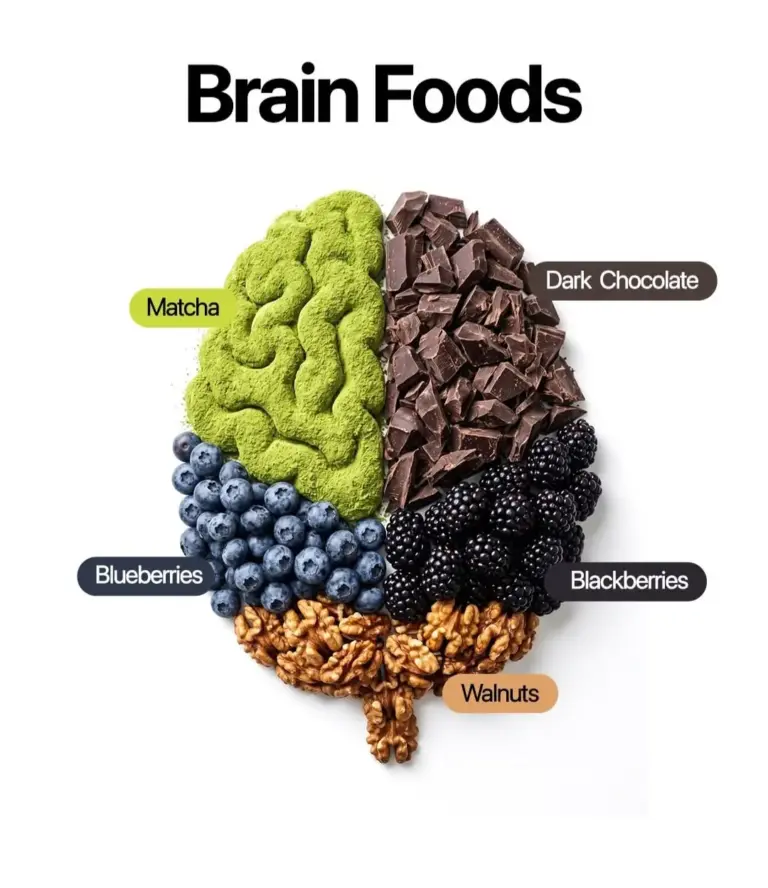
- 2. Blueberries
- 3. Salmon
- 4. Walnuts
- 5. Sweet Potatoes
- 6. Spinach
- 7. Tomatoes
- 8. Green Tea
- 9. Dark Chocolate
- 10. Greek Yogurt
- 11. Oats
- 12. Eggs
- 13. Citrus Fruits
- 14. Carrots
- 15. Pomegranate
- 16. Pumpkin Seeds
- 17. Bone Broth
- 18. Turmeric
- 19. Almonds
- 20. Olive Oil
- 21. Water-Rich Fruits
- Bonus Mentions
- The Takeaway: Nourish Your Skin from Within
Why Food Is the Ultimate Skincare
Before we dive into the list, let’s talk about why eating for your skin makes so much sense. Your skin is your largest organ, and it’s constantly regenerating—roughly every 27 days, you have a brand-new outer layer. To build that fresh skin, your body needs a steady supply of vitamins, minerals, fatty acids, and antioxidants. Skincare products can help on the surface, but they can’t supply the raw materials for repair. That’s where food comes in. For example, vitamin C is essential for collagen production—the protein that keeps skin firm and elastic. You can slather on a vitamin C serum, but you can also eat a kiwi or an orange and get it from the inside. Similarly, omega-3 fatty acids help maintain the skin’s lipid barrier, which locks in moisture and keeps irritants out. You’ll find those in fatty fish, walnuts, and flaxseeds. The best part? Food is synergistic: nutrients work together in ways that isolated supplements often can’t replicate. So if you’ve been skeptical about “beauty foods,” I get it—but the science is solid. And the results can be delicious.
21 Foods That Double as Skincare
1. Avocado : The Healthy-Fat Moisturizer
What it is: A creamy fruit rich in monounsaturated fats, vitamin E, and vitamin C.
Category: Fruit
Why it stands out: Avocado’s fats help keep skin supple and hydrated, while vitamin E acts as an antioxidant, protecting against free radical damage. Vitamin C supports collagen production.
Best for: Dry or mature skin that needs extra moisture and elasticity.
2. Blueberries : Antioxidant Powerhouse
What it is: Tiny berries packed with anthocyanins, the pigments that give them their blue hue.
Category: Fruit
Why it stands out: Anthocyanins are potent antioxidants that help combat oxidative stress, which can accelerate skin aging. They also support healthy blood flow, delivering nutrients to skin cells.
Best for: Anyone looking to protect skin from environmental damage and maintain a youthful glow.
3. Salmon : Omega-3 for Skin Barrier
What it is: Fatty fish loaded with omega-3 fatty acids, specifically EPA and DHA.
Category: Protein
Why it stands out: Omega-3s help maintain the skin’s lipid barrier, which keeps it hydrated and resilient. They also have anti-inflammatory properties that can soothe redness and irritation.
Best for: Dry, sensitive, or acne-prone skin.
4. Walnuts : Plant-Based Omega-3 Source
What it is: Tree nuts that are one of the best plant sources of omega-3 fatty acids (alpha-linolenic acid).
Category: Nut
Why it stands out: Walnuts provide both omega-3s and zinc, a mineral that helps with skin healing and inflammation. They’re also rich in vitamin E.
Best for: Vegetarians and vegans who want skin-supporting fats without fish.
5. Sweet Potatoes : Beta-Carotene for Repair
What it is: Root vegetables with high levels of beta-carotene, which the body converts to vitamin A.
Category: Vegetable
Why it stands out: Vitamin A is crucial for skin cell turnover and repair. Beta-carotene also acts as an antioxidant, protecting skin from sun damage.
Best for: Dull or sun-damaged skin that needs a renewal boost.
6. Spinach : Leafy Green for Detox
What it is: A dark leafy green rich in vitamins A, C, and K, plus iron and folate.
Category: Vegetable
Why it stands out: Spinach supports liver detoxification, which can help clear skin from within. Its vitamin C and A content promote collagen and cell renewal.
Best for: Those looking to improve skin clarity and reduce breakouts.
7. Tomatoes : Lycopene for Sun Protection
What it is: Red fruits (yes, botanically a fruit) that are rich in lycopene, a carotenoid antioxidant.
Category: Fruit/Vegetable
Why it stands out: Lycopene has been shown to help protect skin from UV damage and improve skin texture. Cooking tomatoes increases lycopene availability.
Best for: Anyone who spends time outdoors and wants extra internal sun protection.
8. Green Tea : EGCG for Calm Skin
What it is: A beverage made from unoxidized tea leaves, rich in catechins, especially EGCG.
Category: Beverage
Why it stands out: EGCG is a powerful antioxidant with anti-inflammatory properties. Drinking green tea can help reduce redness and may even help with acne.
Best for: Sensitive or acne-prone skin, and anyone who wants a calming daily ritual.
9. Dark Chocolate : Flavonoids for Glow
What it is: Chocolate with at least 70% cocoa content, rich in flavonoids.
Category: Treat
Why it stands out: Flavonoids in dark chocolate improve blood flow to the skin, which can enhance glow and hydration. It also contains zinc and selenium.
Best for: Those with a sweet tooth who want a skin-friendly indulgence (in moderation).
10. Greek Yogurt : Probiotics for Balance
What it is: Fermented dairy product thick with protein and live cultures.
Category: Dairy
Why it stands out: Probiotics support gut health, which is linked to skin health. A balanced gut microbiome can reduce inflammation and breakouts. Greek yogurt also provides zinc and lactic acid.
Best for: Those with acne or sensitive skin who want to support their gut-skin axis.
11. Oats : Beta-Glucans for Soothing
What it is: Whole grains rich in beta-glucans, a type of soluble fiber.
Category: Grain
Why it stands out: Beta-glucans have soothing properties and can help repair the skin barrier. Oats also contain zinc and B vitamins.
Best for: Irritated or itchy skin, and those looking for a gentle, nourishing breakfast.
12. Eggs : Complete Protein for Repair
What it is: A complete protein source with all essential amino acids, plus vitamins A, D, and E.
Category: Protein
Why it stands out: The amino acids in eggs are building blocks for collagen and elastin. Biotin, a B vitamin in eggs, supports skin health.
Best for: Anyone needing skin repair and maintenance, especially after sun exposure.
13. Citrus Fruits : Vitamin C for Collagen
What it is: Oranges, grapefruits, lemons, and limes—all bursting with vitamin C.
Category: Fruit
Why it stands out: Vitamin C is a cofactor in collagen synthesis; without it, collagen can’t form properly. It also brightens skin and fights free radicals.
Best for: Dull skin and those wanting to boost collagen naturally.
14. Carrots : Vitamin A for Cell Turnover
What it is: Root vegetables rich in beta-carotene, which converts to vitamin A.
Category: Vegetable
Why it stands out: Vitamin A accelerates cell turnover, helping to shed dead skin cells and reveal fresh, smooth skin. Carrots also support eye health.
Best for: Rough or uneven skin texture.
15. Pomegranate : Polyphenols for Anti-Aging
What it is: A fruit with jewel-like seeds loaded with polyphenols and punicalagins.
Category: Fruit
Why it stands out: Pomegranate polyphenols have been shown to protect skin from UV damage and support collagen production. They also help reduce inflammation.
Best for: Anti-aging and sun protection from within.
16. Pumpkin Seeds : Zinc for Acne Control
What it is: Small green seeds packed with zinc, magnesium, and healthy fats.
Category: Seed
Why it stands out: Zinc is essential for skin healing and regulating oil production. It’s often used to treat acne. Pumpkin seeds also provide vitamin E.
Best for: Acne-prone or oily skin.
17. Bone Broth : Collagen Building Blocks
What it is: A broth made from simmering animal bones, rich in collagen and amino acids like glycine and proline.
Category: Broth
Why it stands out: Provides the raw materials for collagen production, which can improve skin elasticity and hydration. It also supports joint health.
Best for: Those wanting to support skin firmness and overall connective tissue health.
18. Turmeric : Curcumin for Calming
What it is: A golden spice containing curcumin, a compound with potent anti-inflammatory properties.
Category: Spice
Why it stands out: Curcumin can help soothe skin inflammation, reduce redness, and may even help with conditions like psoriasis. Pair with black pepper to enhance absorption.
Best for: Inflammatory skin conditions and overall skin calming.
19. Almonds : Vitamin E for Protection
What it is: Tree nuts rich in vitamin E, healthy fats, and protein.
Category: Nut
Why it stands out: Vitamin E is a fat-soluble antioxidant that protects skin from oxidative damage. Almonds also provide zinc and magnesium.
Best for: Dry skin and those wanting a convenient, skin-friendly snack.
20. Olive Oil : Monounsaturated Fats for Hydration
What it is: A staple of the Mediterranean diet, rich in monounsaturated fats and polyphenols.
Category: Oil
Why it stands out: Healthy fats help maintain the skin’s moisture barrier. Polyphenols in extra virgin olive oil have anti-inflammatory and antioxidant effects.
Best for: Dry skin and those following a Mediterranean-style diet.
21. Water-Rich Fruits : Hydration from Within
What it is: Fruits like watermelon, cucumber, and cantaloupe that are over 90% water.
Category: Fruit
Why it stands out: Proper hydration is essential for plump, healthy skin. These fruits also provide vitamins A and C, which support skin repair.
Best for: Anyone who struggles to drink enough water—these make hydration delicious.
Bonus Mentions
Flaxseeds : Omega-3 for Sensitive Skin
What it is: Tiny seeds rich in alpha-linolenic acid (ALA), a plant-based omega-3.
Category: Seed
Why it stands out: ALA helps maintain the skin barrier and reduce inflammation. Ground flaxseeds are easier to digest.
Best for: Sensitive or reactive skin.
Kiwi : Vitamin C Superstar
What it is: A fuzzy fruit with more vitamin C than an orange.
Category: Fruit
Why it stands out: High vitamin C boosts collagen and brightens skin. Kiwi also contains vitamin E and antioxidants.
Best for: Dull skin and collagen support.
Mushrooms : Selenium for Protection
What it is: Fungi rich in selenium, zinc, and B vitamins.
Category: Vegetable
Why it stands out: Selenium is a cofactor for glutathione peroxidase, an enzyme that protects skin from oxidative damage.
Best for: Environmental protection and skin repair.
Kefir : Probiotic Powerhouse
What it is: A fermented milk drink with more probiotics than yogurt.
Category: Dairy
Why it stands out: Supports gut health, which can improve skin clarity and reduce inflammation.
Best for: Gut-skin axis support.
Brazil Nuts : Selenium for Elasticity
What it is: Nuts from the Amazon, incredibly rich in selenium.
Category: Nut
Why it stands out: Selenium supports skin elasticity and protects against sun damage. Just one or two nuts provide your daily needs.
Best for: Anti-aging and sun protection.
The Takeaway: Nourish Your Skin from Within
There you have it—21 foods that prove skincare can be delicious. The next time you’re in the kitchen, remember that every meal is an opportunity to feed your skin. Start small: add a handful of blueberries to your morning oats, swap your afternoon snack for a few walnuts, or sip green tea instead of soda. Your skin will thank you. And if you’re wondering whether this really works—give it a few weeks. Your skin cells turn over roughly every 27 days, so you’ll start to see a difference in about a month. One practical suggestion for your next conversation: ask a friend what their favorite skin-friendly food is, and share one from this list. You might just swap recipes and glow together. Talk it through with me.
What’s your go-to beauty food? Share in the comments below—I’m always looking for new ideas!

Priya writes about how facts travel: why some corrections stick and others bounce off, and how wording changes what people believe. She draws on everyday examples from group chats, headlines, and public notices to explain why a true statement can still fail to persuade. Her pieces are conversational and aimed at anyone who has tried to correct someone online.