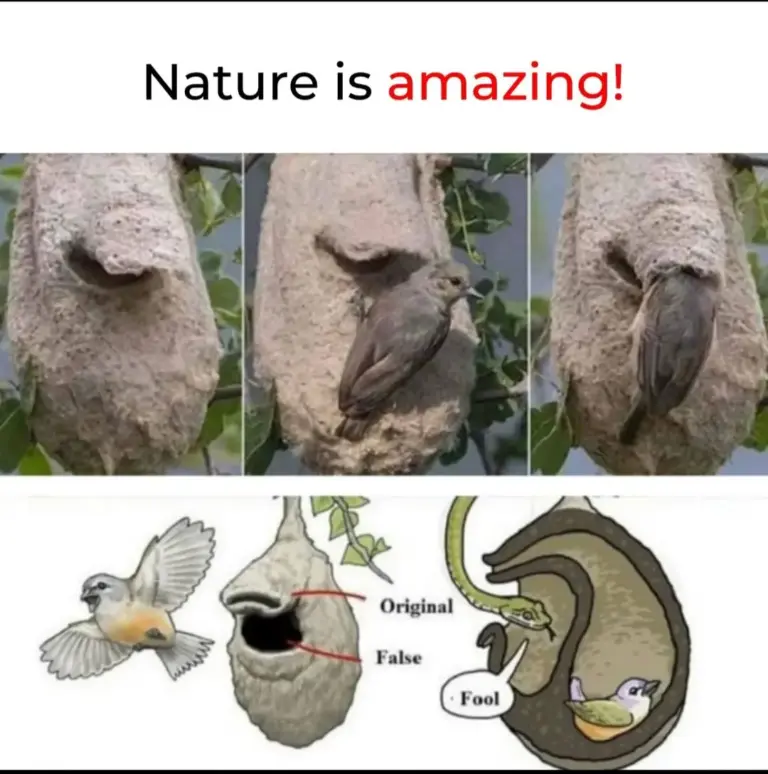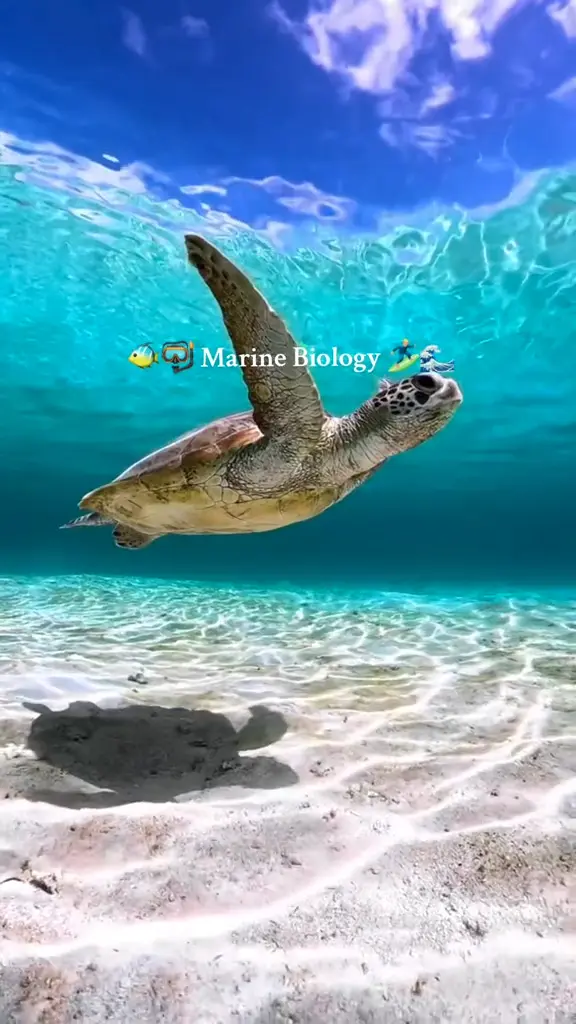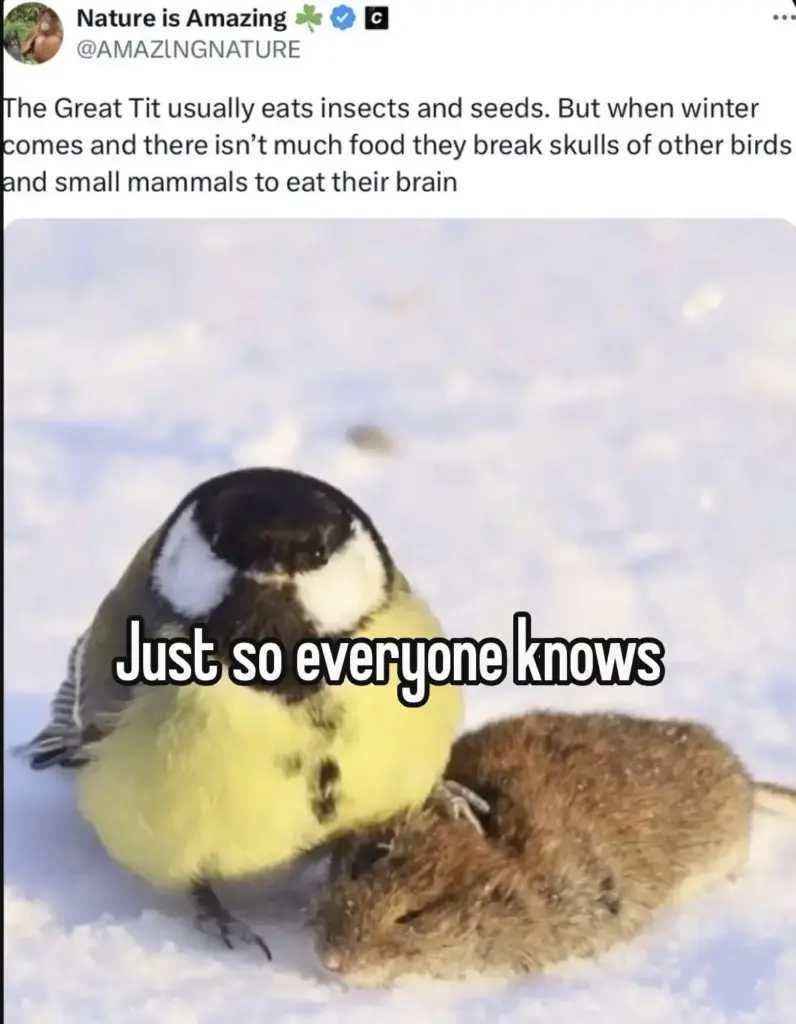
My nephew once asked me, dead serious, whether a titmouse was a real animal or something I made up to mess with him. We were sitting on my back step watching a small grey bird hammer a sunflower seed against the railing, and I realized I’d been watching this exact bird for years without ever really knowing what it was doing. That’s the thing about animals: the facts are usually stranger than anything you’d invent. So here are eighteen genuine animal facts, each one tied to a place where you can actually learn more, because a fact you can follow up on sticks with you a lot longer than one you just scroll past.
Table of Contents(Click to Toggle)
- Why Animal Facts Are the Best Kind of Rabbit Hole
- 18 Animal Facts That Sound Fake But Are Real
- 1. The Titmouse and the Feeder
- 2. The Immortal Jellyfish
- 3. The Mantis Shrimp’s Punch
- 4. The Axolotl’s Regrowing Limb
- 5. The Wood Frog That Freezes
- 6. The Octopus With Three Hearts
- 7. The Wombat’s Cube Poop
- 8. The Hummingbird’s Hover
- 9. The Star-Nosed Mole
- 10. The Tardigrade
- 11. The Cuttlefish’s Color Show
- 12. The Honeybee’s Dance
- 13. The Elephant’s Infrasound
- 14. The Lyrebird’s Mimicry
- 15. The Glass Frog
- 16. The Naked Mole Rat
- 17. The Peregrine Falcon’s Dive
- 18. The Corpse Flower’s Visitor
- Bonus Mentions
- The Best Animal Facts Are the Ones You Can Follow
Why Animal Facts Are the Best Kind of Rabbit Hole
Here’s the mechanism, in plain language: a fact sticks when it has a hook. A number alone slides off your brain. But a bird that hides thousands of seeds and remembers where most of them are, a shrimp that punches with the force of a bullet, a frog that freezes solid and then wakes up — those give your memory something to grab. Scientists call this “elaborative encoding,” but you don’t need the term. You just need to know that curiosity plus a concrete detail is how learning actually happens.
You might be thinking: isn’t this just trivia? Not quite. Each fact below lives on a real site run by museums, universities, or research programs, so you can go one layer deeper whenever you want. That’s what makes it worth your time instead of just a giggle.
1. All About Birds : The titmouse that hides seeds and remembers them
What it is: A free bird guide from the Cornell Lab of Ornithology, with species pages, sounds, and behavior notes.
Category: Wildlife reference
Why it stands out: The tufted titmouse, the little grey bird from my back step, caches seeds in bark and under leaves and remembers where it stashed them. The site’s species pages explain this caching behavior in plain language, with recordings of the bird’s “peter-peter-peter” call so you can confirm what you’re hearing.
Best for: Anyone who’s ever wondered what that bird outside the window actually is.
2. NOAA Ocean Service : The jellyfish that can rewind its life
What it is: The US government’s ocean education hub, with clear explainers on marine life.
Category: Marine science
Why it stands out: The immortal jellyfish (Turritopsis dohrnii) can revert to its juvenile form after stress or injury, effectively restarting its life cycle. NOAA’s pages explain the process without overselling it — it’s not literal immortality, but it’s close enough to raise eyebrows.
Best for: Readers who like their facts with a side of real science.
3. National Geographic Animals : The shrimp that punches like a bullet
What it is: A deep library of animal profiles, photos, and short features.
Category: Nature media
Why it stands out: The peacock mantis shrimp strikes with a club-like appendage so fast it can boil a tiny pocket of water, producing a flash of light and heat. Nat Geo’s profile covers the physics and the animal’s hunting style in a readable way.
Best for: Anyone who wants the “wait, what?” moment backed up with detail.
4. Smithsonian’s National Zoo : The salamander that grows limbs back
What it is: The National Zoo’s animal fact pages, free and well-organized.
Category: Zoology
Why it stands out: Axolotls can regrow lost limbs, and even parts of their heart and brain, without scarring. The zoo’s page covers their habitat in Mexico City’s canals and why they’re critically endangered — a fact that turns wonder into care.
Best for: Families and curious readers who like a conservation angle.
5. USGS : The frog that freezes solid and lives
What it is: The US Geological Survey’s science pages, including wildlife and habitat research.
Category: Earth and life science
Why it stands out: The wood frog survives winter by letting ice form around its organs while it pumps glucose into its cells as a kind of antifreeze. USGS research pages document this in the field, which makes it feel less like a myth.
Best for: Cold-climate readers and science teachers.
6. Monterey Bay Aquarium : The octopus with three hearts and blue blood
What it is: One of the best aquarium websites, with detailed animal guides.
Category: Aquarium education
Why it stands out: Octopuses have three hearts and blue, copper-based blood. Two hearts pump blood to the gills and one to the rest of the body — and that third heart actually stops when the octopus swims, which is why they prefer crawling. The aquarium’s guide explains all of this clearly.
Best for: Anyone who wants to understand, not just gasp.
7. Australian Museum : The wombat that poops cubes
What it is: Australia’s oldest museum, with free species fact sheets.
Category: Natural history
Why it stands out: Wombats produce cube-shaped droppings, and researchers found the shape comes from varying elasticity in the intestinal wall. The museum’s fact sheets are short, accurate, and surprisingly funny to read aloud.
Best for: Anyone who needs a fact that makes a room laugh.
8. Audubon : The hummingbird that flies backwards
What it is: The National Audubon Society’s bird guide and conservation news.
Category: Birding
Why it stands out: Hummingbirds are the only birds that can hover and fly backwards, thanks to a wing that rotates at the shoulder. Audubon’s guide explains the mechanics and pairs it with practical tips for planting a hummingbird-friendly garden.
Best for: Backyard birders who want to act on what they learn.
9. National Wildlife Federation : The mole that sees with its nose
What it is: A conservation organization with wildlife fact pages and habitat guides.
Category: Wildlife conservation
Why it stands out: The star-nosed mole’s nose has around 22 tentacles packed with touch receptors, and it can identify and eat prey in a fraction of a second — among the fastest feeding responses of any mammal. The NWF explains how it works without burying you in jargon.
Best for: Readers who love a weird-looking animal with a real superpower.
10. NASA : The tiny animal that survives space
What it is: NASA’s public science site, including astrobiology and life-in-space research.
Category: Space and biology
Why it stands out: Tardigrades, or water bears, can survive vacuum, radiation, and extreme temperatures by entering a dried-out “tun” state. NASA has studied them for clues about life beyond Earth, which is a genuinely surprising crossover.
Best for: Space fans who didn’t expect biology homework.
11. MBARI : The cuttlefish that changes color in a blink
What it is: The Monterey Bay Aquarium Research Institute’s research and video archive.
Category: Deep-sea research
Why it stands out: Cuttlefish control pigment cells in their skin to change color and pattern almost instantly, and they use it for camouflage and communication. MBARI’s footage from deep dives is the closest thing to seeing it live.
Best for: Anyone who likes watching real research footage instead of reading about it.
12. USDA Agricultural Research Service : The bee that dances to give directions
What it is: The USDA’s research arm, with pollinator and bee-health resources.
Category: Agricultural science
Why it stands out: Honeybees communicate the direction and distance of food by performing a “waggle dance” — the angle of the dance relative to vertical maps to the angle of the sun. The USDA’s pollinator pages explain the research and why it matters for crops.
Best for: Gardeners and anyone who wants to understand what bees are doing all day.
13. Smithsonian Institution : The elephant that talks in rumbles you can’t hear
What it is: The Smithsonian’s main portal into its museums and research.
Category: Natural history
Why it stands out: Elephants communicate with infrasound — low-frequency rumbles below the range of human hearing — that can travel for miles. The Smithsonian’s collections and research pages connect the behavior to real field studies.
Best for: Readers who like facts that change how they imagine an animal.
14. Australian Museum : The bird that mimics chainsaws and cameras
What it is: The same museum’s collection of Australian species pages.
Category: Ornithology
Why it stands out: The superb lyrebird can imitate not just other birds but mechanical sounds — chainsaws, camera shutters, car alarms. The museum’s page explains that the mimicry is learned and used in courtship, which makes it less a party trick and more a survival skill.
Best for: Anyone who wants a fact that sounds like a glitch.
15. AmphibiaWeb : The frog you can see through
What it is: A free, university-run database of amphibian species and conservation status.
Category: Herpetology
Why it stands out: Glass frogs have translucent skin, and in some species you can see the heart beating through the belly. AmphibiaWeb’s species accounts are detailed and updated by researchers, so you’re reading real herpetology, not a listicle.
Best for: Students and anyone who wants to go beyond the headline fact.
16. National Geographic Animals : The mammal that barely ages
What it is: Nat Geo’s animal library, again useful for a mammal most people have never heard of.
Category: Biology
Why it stands out: Naked mole rats live for decades, show little sign of aging, and are unusually resistant to cancer. Their societies are also organized like an insect colony, with a single breeding queen. It’s a fact that keeps unfolding the more you read.
Best for: Readers who like biology that borders on science fiction.
17. The Peregrine Fund : The falcon that dives faster than a race car
What it is: A conservation organization focused on birds of prey, with species profiles.
Category: Raptor conservation
Why it stands out: A peregrine falcon in a hunting dive can exceed 200 miles per hour, making it the fastest animal on Earth. The Fund’s pages explain the anatomy that makes it possible and the recovery story that brought the bird back from the brink.
Best for: Anyone who likes a comeback story with feathers.
18. Kew Gardens : The flower that smells like a crowd of flies
What it is: The Royal Botanic Gardens’ plant science and species pages.
Category: Botany
Why it stands out: The corpse flower blooms rarely and briefly, and its scent — described as rotting meat — attracts carrion flies and beetles that pollinate it. Kew’s pages track blooms and explain the chemistry, which is a nice reminder that “animal facts” often depend on plants.
Best for: Gardeners and plant people who want the other half of the story.
Bonus Mentions
IUCN Red List : Check how threatened a species really is
A free database that tells you the conservation status of almost any animal you just read about. Useful when a fact makes you wonder, “is this animal okay?”
eBird : Log the birds you actually see
A citizen-science project from Cornell where you record sightings. It turns a passing interest in birds into something that contributes to real research.
iNaturalist : Identify the animal in your photo
Upload a picture and a community of naturalists helps identify it. It’s the fastest way to turn a backyard mystery into a named species.
Zooniverse : Help real scientists sort animal footage
Volunteer projects where you tag animals in camera-trap images or classify sounds. A genuinely useful way to spend ten minutes if a fact left you wanting more.
The Best Animal Facts Are the Ones You Can Follow
What I love about this list is that none of it is a dead end. Each fact has a source you can open, a species page you can read, or a citizen-science project you can join. The next time someone tells you a wild animal fact, try asking a simple follow-up: “where did you read that?” You’ll either get a great new site to explore or a fun conversation about how myths spread. And if you have a favorite animal fact that sounds fake but isn’t, I’d love to hear it — what’s the one you always pull out at dinner? Talk it through with me.

Priya writes about how facts travel: why some corrections stick and others bounce off, and how wording changes what people believe. She draws on everyday examples from group chats, headlines, and public notices to explain why a true statement can still fail to persuade. Her pieces are conversational and aimed at anyone who has tried to correct someone online.